Barbenheimer: Why India Can Think Of It But Can't Make It?
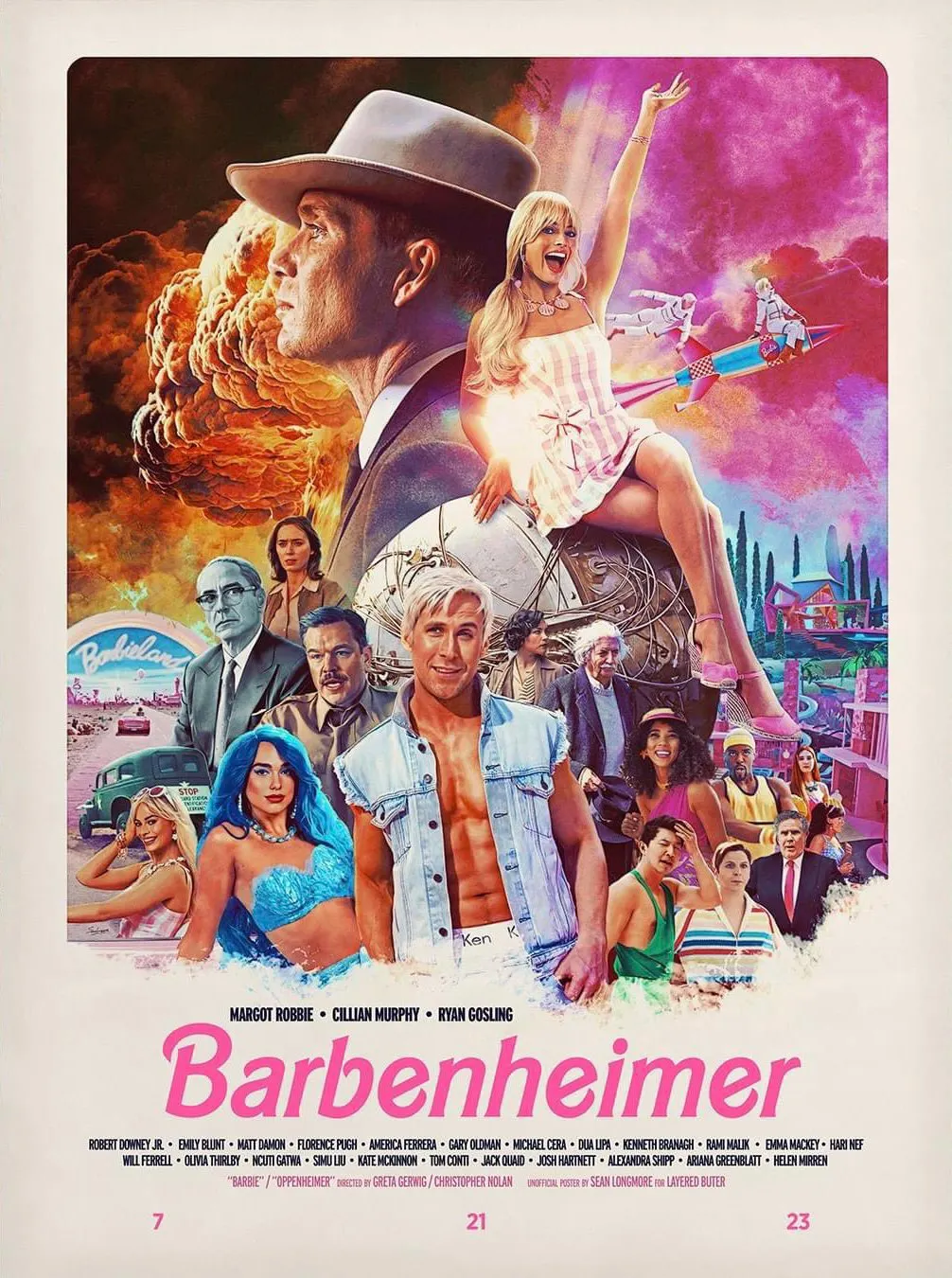
To call Oppenheimer and Barbie an achievement would be apt. It is. Not for Nolan and Greta Gerwig and their teams. But for Hollywood and for the culture the artists of the West have built.
For me, a writer/filmmaker working in India, these films feel like a miracle. It is partial to compare the crafts of Indian filmmakers to the ones in Hollywood as the cultural reception to movies, the emphasis on cinema as a medium is different. In India, it is a form of entertainment. Period. Hollywood films are of course entertainment but an integral part of pop culture. Importantly, films also exist as an art form there.
The miracle is not the brilliance in the craft. It is the freedom in the thought process and the same thoughts turning into reality.
Let us take both films and understand what they are.
Barbie is packaged as a dramedy while making solid and sharp commentary on gender disparity. It doesn’t shy away from calling out the prejudices in its own culture. Oppenheimer is a film about the man who made the atomic bomb and lived long enough to see himself turn into a villain. It is how his country, the government, and the culture cared less about the individuals like him and the civilians across the other side. It is also a sharp commentary on governments, war, and its undying effect on the people.
While one is a social commentary disguised as a fun film, the other is an exploration of a complex human, complex country while being packaged as a biopic.
Sitting in the theatres as the credits rolled, the first thought that occurred to me was if I could make something like this. I surely can think of it. I can write it. But, can I make it? Or will I be allowed to make it? The answers seem to be hidden in a black hole.
The filmmakers here are too bounded. We are dictated to make films. We don’t make films we want to. The success ratio of the movie we want to make and finally make it happen is 1 in 10.
It is a strange world to be in - the mainstream cinema space here. You have absolutely all the freedom to think. You have absolute freedom to create anything you want until somebody says no. Then another person says no. Another no. The “no” comes from all quarters - producers, investors, exhibitors, and even the audience. This is for the thought itself and not for the script or the film. It's not long until you dispatch the idea into the bin of the great ideas that would never get made.
In Hollywood, filmmakers who started out with independent cinema are handed over big studio films. That is the natural progression. Christopher Nolan and Greta Girwig began with small indie films. Today, with the success of Barbie for Greta, she can dream to do any film she wants. For Nolan, that happened right after The Dark Knight. With success, their freedom has expanded.
Unlike in India, where success binds the filmmaker further. Success is not interpreted as the ability of the filmmaker to tell a story. Rather, the impression is that if the filmmaker does more of “this kind of film”, he will be more successful. Production houses here never back the ability of the filmmaker. The back the behavior of the audiences. Because of this, we only have a few auteurs despite working for decades and giving hits after hits.
Even the biggest of the biggest filmmakers today cannot pick up a camera and start filming what they want.
In India, the first few films of any filmmaker are often their best work for they haven’t been told no yet. Once the “no” begins, it never stops in India. Meanwhile, Christopher Nolan and Greta Gerwig still believe their best is yet to come.